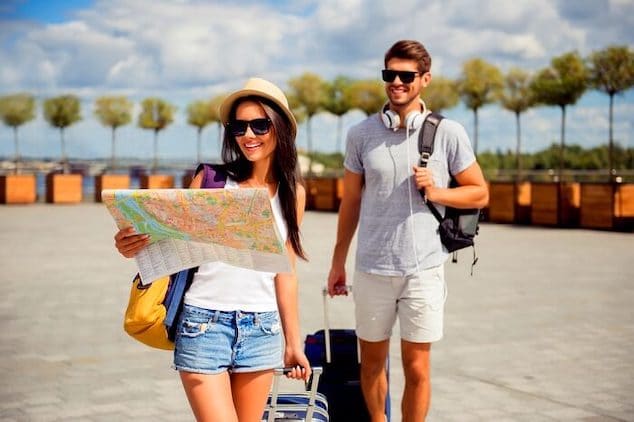
The Art of Travel: Discovering the World, Discovering Ourselves

Introduction: Travel as a Transformative Experience
Travel is more than a leisurely escape or a checklist of destinations—it is an immersive journey into the unknown that broadens the mind, awakens the senses, and redefines our understanding of the world. From ancient pilgrimages to modern jet-setting, humans have always felt an intrinsic pull to explore. In an age where borders blur and cultures connect, travel has evolved into a nuanced art—one that intertwines discovery, reflection, and personal growth. To travel well is not merely to move from one place to another, but to embrace the richness of diversity and the wisdom of experience.
The Timeless Allure of Exploration
The desire to explore is woven into the fabric of human nature. Long before the days of passport stamps and travel apps, people traversed mountains, sailed across oceans, and ventured into distant lands in pursuit of knowledge, trade, faith, and adventure.
Why Travel Captivates Us:
-
Curiosity: A hunger to learn about unfamiliar cultures, landscapes, and histories.
-
Connection: The chance to meet people from all walks of life and understand different worldviews.
-
Perspective: Stepping outside of routine to gain fresh insights about life and one’s place in the world.
-
Freedom: Escaping the constraints of daily life to experience spontaneity and possibility.
This timeless allure continues to drive modern travelers, whether they’re backpacking through Southeast Asia, road-tripping across Europe, or relaxing on a Caribbean beach.
Types of Travel: A Spectrum of Experiences
Travel is not a one-size-fits-all endeavor. The way people choose to explore the world is as varied as the destinations themselves. Understanding the different travel styles helps tailor experiences to individual preferences and goals.
Popular Types of Travel:
-
Cultural Travel: Immersing oneself in art, history, language, and traditions of a specific place.
-
Adventure Travel: Seeking adrenaline and challenge through activities like hiking, diving, or mountain climbing.
-
Luxury Travel: Experiencing comfort, fine dining, and exclusive services in premium locations.
-
Eco and Sustainable Travel: Exploring while minimizing environmental impact and supporting local communities.
-
Solo Travel: Embracing independence, self-discovery, and flexibility without companions.
-
Family Travel: Creating shared memories through experiences suited for all age groups.
Each form offers unique rewards, but all share a common thread—the chance to grow, connect, and evolve.
The Personal Impact of Travel: Growth Beyond the Guidebook
While photographs and souvenirs are tangible takeaways, the most profound impacts of travel are internal. It challenges assumptions, builds resilience, and fosters empathy.
Benefits of Meaningful Travel:
-
Cultural Sensitivity: Exposure to diverse customs and norms cultivates tolerance and respect.
-
Personal Confidence: Navigating unfamiliar places boosts independence and problem-solving abilities.
-
Mental Clarity: A change in scenery often brings renewed focus, inspiration, and emotional balance.
-
Broadened Worldview: Seeing global issues firsthand can shift perspectives on politics, poverty, privilege, and sustainability.
Travel, at its best, is an education of the heart as much as the mind.
Planning the Perfect Trip: Strategy Meets Spontaneity
Though travel thrives on serendipity, thoughtful planning lays the foundation for a smoother experience. From choosing destinations to budgeting, each step requires intention and awareness.
Essential Tips for Smart Travel Planning:
-
Research Beyond the Surface: Look past tourist hotspots to discover local gems and authentic experiences.
-
Create a Flexible Itinerary: Structure helps, but leave room for spontaneous detours and discoveries.
-
Budget Wisely: Allocate funds not only for travel and lodging but also for food, experiences, and emergencies.
-
Respect Local Customs: Understanding cultural etiquette ensures respectful, meaningful interaction.
-
Pack Mindfully: Travel light but smart—consider climate, culture, and duration of stay.
A well-balanced travel plan allows for both reliability and the delightful unpredictability that makes journeys memorable.
The Role of Technology in Modern Travel
The digital age has transformed how we travel. From virtual tours and mobile boarding passes to AI-powered translation tools and online booking platforms, technology simplifies logistics and enhances experiences.
Innovations Enhancing Travel:
-
Navigation Apps: Real-time directions, transit info, and reviews guide travelers through new territories.
-
Translation Tools: Language barriers are reduced with instant translations for menus, signs, and conversations.
-
Social Media: Platforms like Instagram and TikTok inspire travel while also creating digital travel communities.
-
Remote Work Travel: The rise of the digital nomad allows professionals to work from anywhere, blending productivity and exploration.
Yet, as convenient as technology is, it’s crucial not to let screens overshadow the essence of travel—human connection and presence.
Sustainable Travel: Exploring Responsibly
With increased awareness of climate change, over-tourism, and cultural commodification, sustainable travel has become a moral imperative. Responsible travelers seek to protect the environments and communities they visit.
Practices for Ethical Exploration:
-
Support Local Economies: Choose locally owned hotels, guides, and restaurants.
-
Reduce Carbon Footprint: Opt for trains over planes when possible and avoid unnecessary waste.
-
Respect Wildlife and Nature: Avoid exploitative attractions and follow conservation guidelines.
-
Educate Yourself: Understand the history and culture of a destination before arrival to engage respectfully.
Sustainable travel ensures that the wonders of the world remain intact for future generations of explorers.
Post-Pandemic Travel: A New Perspective
The global pandemic fundamentally reshaped the travel landscape. Borders closed, planes grounded, and once-bustling cities fell silent. As travel resumes, there’s a renewed appreciation for mobility and a deeper reflection on the value of meaningful exploration.
Post-COVID Travel Trends:
-
Slow Travel: Emphasizing longer stays and deeper connections over rushed itineraries.
-
Wellness Retreats: Seeking rejuvenation and healing in nature or through holistic practices.
-
Domestic Discovery: Exploring one’s own country with fresh eyes and local pride.
-
Smaller Crowds, Richer Experiences: Prioritizing quality over quantity in travel experiences.
Today’s traveler is more mindful, more intentional, and more appreciative of the privilege of seeing the world.
Conclusion: The Journey Is the Destination
Travel is not merely about the places we visit but the transformation that occurs along the way. It reshapes our understanding of beauty, resilience, community, and self. In an increasingly interconnected yet fragmented world, travel bridges the gap between cultures, nurtures curiosity, and cultivates empathy.
To travel is to engage in one of life’s most profound dialogues—with the world, with others, and with oneself. It is a timeless reminder that while the world may be vast, the threads that connect us are ever-present. Whether across oceans or within neighboring towns, the true journey begins when we open our minds, pack our humility, and step into the unknown with gratitude and wonder.