
Adventure Travel Ideas for Thrill Seekers
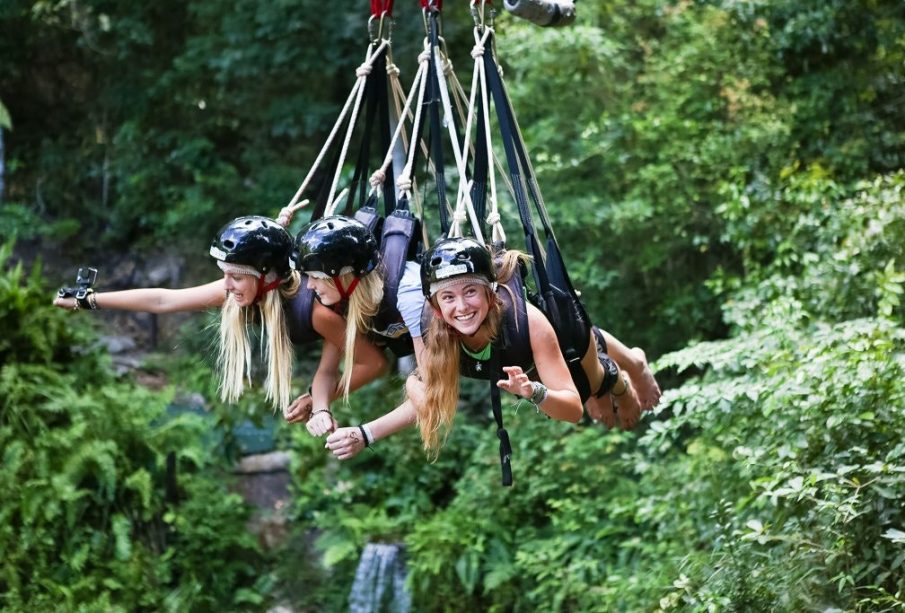
For a growing community of international travelers, standard resort vacations and casual sightseeing tours fall far short of an ideal getaway. True thrill seekers crave adrenaline-pumping experiences, raw landscapes, and challenges that test physical endurance and mental fortitude. Adventure travel transforms journeys into transformative encounters with the natural world, combining high-octane activities with breathtaking geographic backdrops.
Planning a thrill-seeking expedition requires balancing physical readiness, safety protocols, geographical timing, and appropriate equipment. Whether diving into deep oceanic trenches, scaling jagged alpine peaks, or traversing remote wilderness terrains, selecting the right destination makes the difference between an ordinary trip and a lifelong highlight. Exploring premier adventure travel concepts helps extreme sports enthusiasts and intrepid explorers choose their next major challenge.
Alpine Trekking and High-Altitude Mountaineering
High-altitude environments offer some of the most demanding physical challenges on Earth. Ascending majestic mountain ranges demands stamina, specialized gear, and respect for changing weather conditions.
Scaling the Alpine Peaks of South America
The Andes mountain range stretches along the western coast of South America, serving as a playground for high-altitude trekkers and mountaineers.
-
The Huayhuash Circuit in Peru: Regarded as one of the most intense alpine treks globally, this high-altitude trek circles dramatic glacial peaks, turquoise alpine lakes, and remote mountain passes above 15,000 feet.
-
Volcano Climbing in Ecuador: Ascending Cotopaxi or Chimborazo provides glacier-climbing challenges for mountaineers seeking extreme elevations, with Chimborazo’s summit marking the furthest point from the center of the Earth.
-
Patagonian Ice Field Expeditions: Navigating the unpredictable winds and massive glaciers of southern Chile and Argentina tests winter survival skills and technical trekking abilities.
Technical Ice Climbing and Winter Expeditions
For travelers who thrive in sub-zero temperatures, technical ice climbing provides an unparalleled rush. Regions like Banff National Park in Canada, the glaciers of Iceland, and the frozen waterfalls of Norway offer world-class vertical ice pitches. Climbers use specialized ice axes and crampons to navigate frozen cascades, requiring immense upper-body strength, precise balance, and focused mental endurance.
Deep Sea and Extreme Aquatic Adventures
Water-based adventure travel extends far beyond casual snorkeling. Submerging into oceanic depths or navigating roaring river rapids introduces travelers to powerful natural forces.
White-Water Rafting on World-Class Rapids
Navigating Class V rapids requires seamless teamwork, rapid decision-making, and high physical agility.
-
The Zambezi River in Zimbabwe and Zambia: Flowing just below Victoria Falls, the Zambezi River offers legendary Class IV and V rapids, surrounded by steep basalt gorges and abundant African wildlife.
-
The Futaleufu River in Chile: Renowned for its glacier-fed, crystal-clear turquoise waters, the Futaleufu features relentless, technical rapids that attract expert rafters and kayakers worldwide.
-
The Colorado River through the Grand Canyon: Combining extreme white water with week-long wilderness camping, this expedition offers an immersive journey through millions of years of geological history.
Diving with Apex Predators and Deep Cave Exploration
Sub-aquatic thrill seekers often look for encounters with ocean megafauna or explore enclosed underwater environments.
-
Cage Diving with Great White Sharks: Gansbaai in South Africa and Isla Guadalupe in Mexico offer cage-diving encounters that bring divers face-to-face with great white sharks in their natural habitats.
-
Cenote Cave Diving in Mexico: The Yucatan Peninsula features vast subterranean cave systems filled with stalactites, haloclines, and crystal-clear freshwater, demanding advanced cavern certification and precise buoyancy control.
-
Pelagic Night Diving in Hawaii: Floating in the open, pitch-black ocean off the Kona coast allows divers to witness manta rays and deep-sea organisms rising from the abyssal zones.
Aerial Thrills and Gravity-Defying Sports
Conquering the skies offers an unbeatable adrenaline high. Gravity-defying air sports combine breathtaking aerial panoramas with intense freefall speeds.
Skydiving over Iconic Earth Features
While skydiving is available in most major cities, tandem jumps over world-famous geographical landmarks take the experience to an entirely different level.
-
The Palm Jumeirah in Dubai: Freefalling over human-made island archipelagos offers a stunning contrast between futuristic urban architecture and the Persian Gulf.
-
Interlaken in Switzerland: Jumping above the Swiss Alps provides panoramic views of snow-capped peaks like the Eiger and Jungfrau, alongside deep glacial valleys.
-
Fox Glacier in New Zealand: Dropping from 18,000 feet over New Zealand’s South Island reveals views of rainforests, glaciers, and the Southern Alps simultaneously.
Paragliding and Bungee Jumping Hotspots
For a prolonged sensation of flight, paragliding utilizes thermal updrafts to soar along mountain ridges for hours. Queenstown, New Zealand, known as the adventure capital of the world, offers iconic bungee jumps off historic suspension bridges and cliffside platforms. Meanwhile, paragliding over Oludeniz in Turkey provides views of the famous Blue Lagoon from thousands of feet in the air.
Desert and Polar Extreme Wilderness Expeditions
Exploring Earth’s most climate-extreme biomes requires self-sufficiency, physical resilience, and adaptability to harsh environmental conditions.
Traversing Arid Deserts
Desert expeditions challenge travelers with extreme temperature swings, vast distances, and rugged terrain.
-
Dune Trekking in the Sahara: Navigating massive sand dunes on foot or by quad bike tests endurance amid intense daytime heat.
-
Salar de Uyuni Overland Journeys: Crossing the world’s largest salt flat in Bolivia by four-wheel-drive vehicles reveals surreal, mirror-like landscapes and high-altitude desert plateaus.
-
The Namib Desert Expedition: Exploring the oldest desert on Earth in Namibia involves climbing some of the highest sand dunes in the world and tracking desert-adapted wildlife.
Polar Expeditions in Antarctica and the Arctic
Polar travel represents the final frontier for many adventure enthusiasts. Traversing Antarctic ice sheets or sea kayaking among Arctic icebergs brings travelers into contact with extreme cold and rare wildlife, including polar bears, emperor penguins, and blue whales. Expeditions often involve ski-touring across untouched glaciers, camping on sea ice, or mountaineering along uncharted polar peaks.
Volcano Boarding and Canyoneering
For thrill seekers looking for unique, fast-paced activities, niche land-based adventure sports offer distinct physical challenges.
Sliding Down Active Volcanoes
Volcano boarding involves hiking up an active cinder cone and descending its steep, gravelly slopes on a reinforced wooden sled. Cerro Negro in Nicaragua is the world’s premier location for this high-speed activity. Riders reach speeds up to 50 miles per hour down volcanic ash slopes, wearing protective jumpsuits and goggles to guard against abrasive volcanic rocks.
Technical Canyoneering
Canyoneering combines hiking, scrambling, rappelling, jumping, and swimming through narrow slot canyons carved by water erosion.
-
Zion National Park in Utah: Home to iconic slot canyons like the Subway and Mystery Canyon, requiring technical rope rappels down cascading waterfalls.
-
The Blue Mountains in Australia: Features deep sandstone gorges, subterranean waterfalls, and dense rainforest canyons suitable for multi-day canyoneering trips.
-
Ticino in Switzerland: Widely regarded as a European hotspot for technical canyoneering, featuring granite gorges with long water slides and massive abseil drops.
Frequently Asked Questions
What level of physical fitness is required for high-altitude trekking?
High-altitude trekking requires strong cardiovascular endurance, leg strength, and mental fortitude. Prospective trekkers should engage in months of aerobic preparation, such as trail running, stair climbing with weighted packs, and leg strength conditioning. Previous experience with multi-day hiking trips helps build familiarity with sustained physical exertion.
How do thrill seekers manage safety risks during extreme activities?
Safety in extreme adventure travel relies on thorough preparation, hiring certified local guides, using inspected professional-grade equipment, and respecting local weather forecasts. Purchasing specialized travel insurance that covers high-risk activities, search and rescue operations, and emergency medical evacuation is essential before undertaking extreme expeditions.
What is the best time of year to attempt white-water rafting on Class V rapids?
The optimal timing for white-water rafting depends heavily on seasonal water levels fed by snowmelt or heavy rainfall. In many mountain regions, spring and early summer offer peak water volume and intense rapids. Conversely, some dam-controlled or tropical rivers provide optimal white-water conditions during specific release windows or rainy seasons.
Do I need specialized certifications before participating in technical cave diving?
Yes, cave diving requires advanced technical scuba diving certifications beyond standard open-water credentials. Divers must complete training in precise buoyancy control, line handling, emergency gas management, and navigation in overhead environments without direct surface access to ensure safety inside underwater cave systems.
What essential gear should be packed for polar adventure expeditions?
Polar expeditions require high-performance layering systems to prevent hypothermia and frostbite. Key items include moisture-wicking thermal base layers, insulating fleece or down mid-layers, windproof and waterproof outer shells, extreme-cold footwear, UV-blocking eyewear, and heavy-duty insulated gloves or mittens.
How can travelers minimize their environmental impact in fragile wilderness areas?
Travelers should strictly follow Leave No Trace principles by packing out all trash, staying on designated trails, respecting local wildlife habitats, avoiding single-use plastics, and supporting eco-certified tour operators who prioritize environmental conservation and support local host communities.