Driving the Future: The Evolution and Enduring Allure of the Auto Industry
Introduction: A World in Motion
The word “auto” conjures an image of freedom, innovation, and relentless progress. From the dusty roads of the early 20th century to today’s smart highways, the automobile industry has carved a narrative that mirrors human ambition. It is more than just steel, rubber, and horsepower; it represents convenience, independence, and, increasingly, sustainability. In this article, we explore the dynamic world of the automobile—its history, current advancements, and the exciting road ahead.
The Legacy: From Invention to Icon
The automobile’s story began with ingenuity. In the late 1800s, inventors like Karl Benz and Henry Ford revolutionized personal mobility. Ford’s Model T, introduced in 1908, wasn’t just a vehicle; it was a symbol of a new era—affordable, efficient, and accessible to the common man.
This industrial leap set off a domino effect. Roads were built, cities expanded, and economies flourished. The auto industry rapidly became the backbone of the global economy, employing millions and shaping geopolitics. Vehicles evolved—from the elegant curves of the 1950s Cadillacs to the turbocharged muscle cars of the ’70s. Each generation’s design reflected the spirit and priorities of its time.
Modern Auto Industry: Where Art Meets Engineering
Today’s automobile is a marvel of technology and design. No longer just a mode of transport, the modern car is a high-tech sanctuary—combining performance, safety, comfort, and digital sophistication.
Key Characteristics of Contemporary Autos:
-
Advanced Safety Features: From adaptive cruise control to autonomous emergency braking and 360-degree cameras, modern vehicles prioritize safety like never before.
-
Connectivity: Infotainment systems now include touchscreen controls, smartphone integration, voice assistants, and real-time navigation.
-
Design Excellence: Aesthetic precision, aerodynamic efficiency, and ergonomic interiors are no longer luxuries—they are expected.
Luxury brands such as Mercedes-Benz, Audi, and Tesla have led this renaissance, transforming cars into experiential spaces tailored for the modern lifestyle.
The Electric Revolution: A Turning Point
Perhaps the most defining transformation of the 21st century has been the rise of electric vehicles (EVs). Pioneered by Tesla and now pursued by legacy brands like Ford, GM, and Volkswagen, EVs represent a cleaner, quieter, and more efficient future.
Why Electric Vehicles Are Gaining Traction:
-
Environmental Benefits: Zero tailpipe emissions and reduced carbon footprint.
-
Government Incentives: Tax credits, rebates, and green infrastructure investments.
-
Lower Operating Costs: Electricity is cheaper than gasoline, and EVs have fewer moving parts, reducing maintenance.
While challenges remain—such as charging infrastructure and battery sourcing—EV adoption is accelerating globally, reshaping supply chains and consumer expectations alike.
Autonomous Driving: Dream or Destiny?
Imagine a world where cars drive themselves while you relax, read, or work. That vision is no longer science fiction. Autonomous vehicles (AVs) are already being tested on public roads, equipped with LiDAR, radar, and AI-driven decision-making systems.
Levels of Autonomy:
-
Level 1–2: Driver assistance (lane keep, adaptive cruise).
-
Level 3–4: Partial to high automation (limited driver input).
-
Level 5: Full automation (no human intervention needed).
While fully autonomous vehicles face legal, ethical, and technological hurdles, their potential to reduce traffic accidents and reshape urban planning is undeniable.
Consumer Trends and Shifting Preferences
The modern driver is informed, eco-conscious, and tech-savvy. These changes have sparked a shift in auto design and marketing strategies.
Emerging Consumer Trends:
-
SUV and Crossover Dominance: These vehicles offer space, safety, and style, making them the fastest-growing category worldwide.
-
Car Subscription Services: A flexible alternative to ownership, catering to urban dwellers and digital nomads.
-
Customization: From color palettes to in-car apps, personalization is becoming a strong selling point.
The younger generation, particularly Millennials and Gen Z, view cars not only as tools of transportation but also as lifestyle statements—clean, connected, and conscious.
Sustainability in Manufacturing: A Greener Path Forward
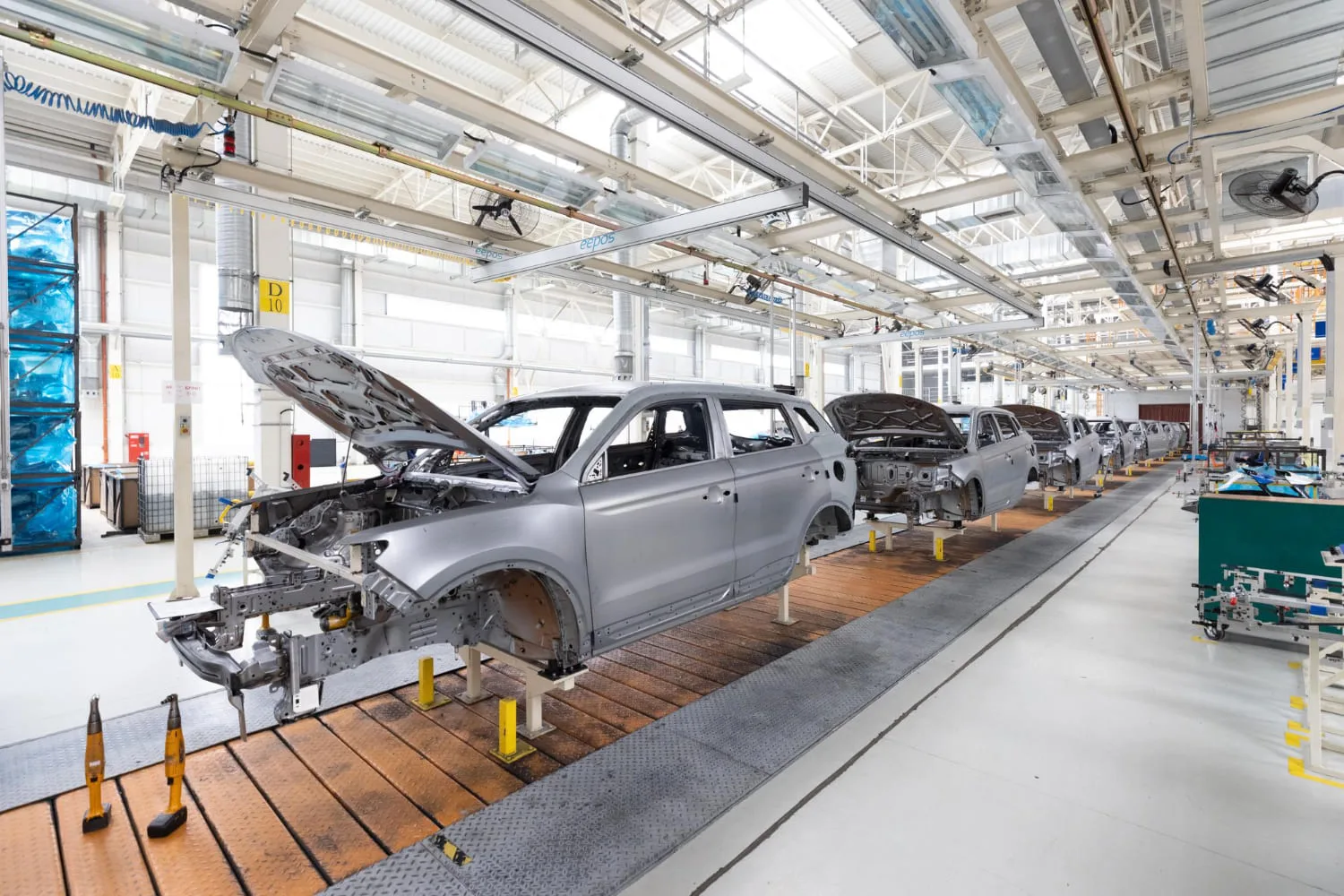
It’s not just the vehicle emissions under scrutiny; how cars are made is equally vital. Automakers are reimagining their factories to reduce water use, waste, and emissions.
Sustainable Manufacturing Initiatives:
-
Recycled Materials: Incorporating plastics from oceans and repurposed steel.
-
Energy Efficiency: Solar-powered plants and smart energy grids.
-
Circular Economy Models: Battery recycling programs and end-of-life vehicle reuse strategies.
Brands that embrace these eco-conscious practices not only enhance their reputations but also align themselves with global climate goals.
The Road Ahead: Integration, Innovation, and Inclusion
As we look to the future, the automobile industry stands at a thrilling intersection of possibilities. AI, renewable energy, robotics, and data science will further converge to redefine mobility.
What’s on the Horizon:
-
Flying Cars and Air Taxis: Urban air mobility is closer than many believe.
-
Vehicle-to-Everything (V2X) Communication: Cars will interact with traffic lights, other vehicles, and even pedestrians’ smartphones to optimize traffic flow.
-
Global Access to Mobility: Affordable and sustainable auto solutions are being developed for emerging markets, ensuring mobility isn’t limited to the affluent.
Conclusion: More Than Just a Machine
The auto industry is a mirror to human progress—constantly evolving, consistently relevant, and always a step ahead. Whether it’s the nostalgia of a classic car, the thrill of speed, or the silent hum of an electric motor, automobiles are woven into the very fabric of modern life.
As technology races forward and environmental consciousness deepens, the automobile’s role will continue to grow—not just as a machine, but as a companion, a statement, and a symbol of humanity’s endless drive toward a better future.